Leeds FC isn’t just another football club—it’s a legacy wrapped in passion, pain, and glory. From its roaring past to turbulent present, the club has shaped English football in ways few can match.
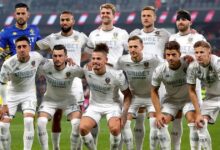
Leeds FC: A Legacy Forged in Fire

Founded in 1919, Leeds FC emerged from the ashes of Leeds City, a club disbanded due to financial misconduct during World War I. The Football League granted the city a new franchise, and thus, Leeds United Athletic Club—now universally known as Leeds FC—was born. From the very beginning, the club was built on resilience and ambition.
The Birth of a Football Giant
Leeds FC’s early years were marked by steady progress. After joining the Football League’s Second Division in 1920, the club spent over two decades striving for promotion. Their persistence paid off in 1924 when they earned promotion to the First Division for the first time. Though they were relegated shortly after, the foundation was laid for a club destined for greatness.
- Leeds FC was formed as a successor to Leeds City in 1919.
- The club joined the Second Division in 1920 and reached the First Division by 1924.
- Early struggles shaped a culture of perseverance.
The Don Revie Era: Revolutionizing English Football
The true transformation of Leeds FC came in the 1960s under the legendary Don Revie. Appointed manager in 1961, Revie inherited a struggling side languishing in the Second Division. He instilled discipline, tactical innovation, and a fierce work ethic. By 1964, he led the club back to the First Division, setting the stage for a golden era.
Under Revie, Leeds FC became a dominant force, winning two First Division titles (1968–69, 1973–74), one FA Cup (1972), one League Cup (1968), and two Inter-Cities Fairs Cups (1968, 1971). Revie’s team, known for its physicality and tactical intelligence, redefined English football. Players like Billy Bremner, Johnny Giles, and Jack Charlton became household names.
“We weren’t dirty; we were determined.” — Billy Bremner on the Revie-era Leeds FC.
Leeds FC’s Golden Era: Dominance and Controversy
The late 1960s and early 1970s marked the peak of Leeds FC’s influence. The club wasn’t just winning; they were reshaping the game. Their style—combining relentless pressing, tactical discipline, and physical intensity—was both admired and feared. While some critics labeled them as “thuggish,” supporters saw them as warriors fighting for every ball.
Trophies That Defined a Generation
Leeds FC’s trophy cabinet from this era is a testament to their excellence. The 1967–68 season saw them clinch the League Cup and the Inter-Cities Fairs Cup, a precursor to the UEFA Cup. The following season, they won their first league title in 57 years. The 1971–72 campaign culminated in FA Cup glory, defeating Arsenal 1–0 at Wembley.
- First Division Titles: 1968–69, 1973–74
- FA Cup: 1972
- League Cup: 1968
- Inter-Cities Fairs Cup: 1968, 1971
The 1974–75 season brought Leeds FC to the pinnacle of European football. They reached the European Cup final, facing Bayern Munich at the Parc des Princes in Paris. Despite dominating much of the match, Leeds lost 2–0 amid controversy, with many fans and pundits believing the referee favored the German side. The defeat remains one of the most painful moments in club history.
The Rivalry with Manchester United and Liverpool
Leeds FC’s success bred intense rivalries. Their clashes with Manchester United were dubbed the “War of the Roses,” a nod to the historic conflict between Yorkshire and Lancashire. Matches were fiercely contested, often marred by on-pitch confrontations. The rivalry with Liverpool, especially during the Revie and Bob Paisley eras, was equally heated. Both clubs were powerhouses, and their battles for supremacy defined an era.
These rivalries weren’t just about football; they reflected regional pride and identity. For Leeds fans, beating United or Liverpool wasn’t just a victory—it was a statement.
Leeds FC’s Fall from Grace: The 1980s and 1990s
After Don Revie’s departure in 1974 to manage the England national team, Leeds FC entered a period of decline. The club struggled to find a consistent identity, cycling through managers and failing to replicate past success. By the 1980s, Leeds FC had become a shadow of its former self, even suffering relegation to the Third Division in 1982—the lowest point in the club’s history.
Financial Mismanagement and Ownership Chaos
The 1980s were marked by poor ownership decisions and financial instability. The club lacked long-term vision, and short-term fixes only deepened the crisis. Attendance dropped, youth development stalled, and the team became a revolving door of underperforming players.
It wasn’t until the appointment of Howard Wilkinson in 1988 that stability returned. Wilkinson implemented a disciplined approach, rebuilt the squad, and emphasized youth development. His efforts culminated in Leeds FC winning the First Division title in 1991–92—the last season before the Premier League era. It was a bittersweet triumph, as the club was ill-prepared for the financial demands of the new Premier League.
The Premier League Transition and Financial Collapse
The launch of the Premier League in 1992 brought massive TV revenues, but Leeds FC failed to capitalize. Poor transfer decisions, such as selling key players like Eric Cantona and failing to reinvest wisely, weakened the squad. Despite reaching the Champions League semi-finals in 2001 under David O’Leary, the club’s financial model was unsustainable.
By the early 2000s, Leeds FC was drowning in debt. The club was forced to sell star players like Rio Ferdinand, Alan Smith, and Robbie Keane to stay afloat. Relegation from the Premier League in 2004 marked the beginning of a long, painful descent through the divisions.
“We were living like champions while dying like paupers.” — A former Leeds FC executive on the financial collapse.
Leeds FC’s Revival: The Marcelo Bielsa Revolution
After 16 years outside the top flight, Leeds FC returned to the Premier League in 2020, thanks to the transformative impact of Argentine manager Marcelo Bielsa. Appointed in 2018, Bielsa brought a revolutionary approach—high-intensity pressing, positional discipline, and an unwavering commitment to attacking football.
Bielsa’s Tactical Mastery
Bielsa’s style, often dubbed “Bielsa-ball,” captivated fans and pundits alike. His Leeds FC side played with relentless energy, pressing opponents from the front and dominating possession. The 2019–20 season saw Leeds secure promotion with 93 points, finishing as Championship winners.
- Bielsa implemented a 3-3-1-3 formation with aggressive wing-backs.
- The team averaged over 60% possession in the Championship.
- Leeds FC scored 77 goals in 46 games during the 2019–20 season.
His influence extended beyond tactics. Bielsa earned immense respect for his integrity, famously offering to let Derby County stay in the Championship after a controversial VAR decision went against them in a playoff race. Though Leeds won the match, Bielsa proposed a replay—a gesture that highlighted his sportsmanship.
The Cultural Impact of Bielsa
Bielsa became more than a manager; he became a symbol of hope. His passion, eccentricity, and dedication resonated with fans. The phrase “We are all Bielsa” became a rallying cry. His training ground, Elland Road, transformed into a fortress of belief.
Even after his departure in 2022, Bielsa’s legacy endures. He restored pride, identity, and ambition to Leeds FC. His impact was so profound that he was awarded the Freedom of the City of Leeds in 2021.
Leeds FC and Elland Road: The Heart of the Club
Elland Road isn’t just a stadium; it’s a cathedral of football. Located in the Beeston area of Leeds, it has been the home of Leeds FC since 1919. With a capacity of over 37,000, it’s one of the most atmospheric grounds in England.
History and Architecture of Elland Road
Originally built as a rugby ground, Elland Road was converted for football use. Over the decades, it has undergone numerous renovations. The East Stand, West Stand, South Stand, and North Stand each have their own character and history. The South Stand, known as the “Kop,” is the traditional home of the most vocal supporters.
The stadium has hosted international matches, including games during the 1996 UEFA European Championship. It’s also been used for concerts and other major events, but its soul remains football.
Fan Culture and Matchday Experience
Leeds FC fans, known as “The Whites,” are among the most passionate in England. The atmosphere at Elland Road is electric, especially during derbies or crucial promotion battles. Chants like “Marching On Together” echo through the stands, uniting generations of supporters.
- “Marching On Together” is the club’s anthem, symbolizing unity and resilience.
- Leeds FC has one of the largest away followings in the Championship and Premier League.
- Fan groups like the Leeds United Supporters’ Trust play a key role in club governance.
The club’s relationship with its fans has evolved over time. After years of mistrust due to financial mismanagement, recent ownership under Andrea Radrizzani has sought to rebuild that bond through transparency and engagement.
Leeds FC’s Rivals: The Fiercest Battles in English Football
Rivalries define football, and Leeds FC has some of the most intense in the game. These matches aren’t just about points—they’re about pride, history, and regional identity.
Leeds FC vs. Manchester United: The Roses Derby
The rivalry with Manchester United dates back decades. Rooted in the historic War of the Roses between Yorkshire and Lancashire, this fixture is charged with emotion. During the Revie era, Leeds often outperformed United, fueling resentment. The signing of Eric Cantona by United in 1992—after a fallout at Leeds—added fuel to the fire.
Though the two clubs haven’t met frequently in recent years due to Leeds’ time in lower divisions, every encounter is a spectacle. The fixture remains one of the most anticipated in English football.
Leeds FC vs. Chelsea and Other Key Rivalries
Leeds also shares a fierce rivalry with Chelsea, particularly from the 1960s and 70s when both clubs were dominant. Matches were often physical and controversial. The rivalry cooled in later years but reignited during Leeds’ Premier League return.
Other notable rivalries include those with Millwall (due to hooligan history) and local clubs like Huddersfield Town and Bradford City, though these are less intense.
“When we play United or Chelsea, it’s not just a game—it’s a war.” — Leeds FC fan interviewed after a derby.
Leeds FC’s Future: Ambitions and Challenges
As of 2024, Leeds FC faces a critical juncture. After relegation from the Premier League in 2023, the club is rebuilding under new management. The challenge is to return to the top flight while maintaining financial sustainability.
Youth Development and the Academy System
Leeds FC has a proud history of developing young talent. The Thorp Arch training facility is one of the best in England. Graduates like Harry Kewell, Alan Smith, and more recently, Kalvin Phillips, have represented both club and country.
The club is investing heavily in its academy, aiming to produce homegrown stars who can drive future success. This model, used effectively by clubs like Ajax and Bayern Munich, offers a sustainable path forward.
Ownership and Financial Strategy
Andrea Radrizzani’s ownership has brought stability, but challenges remain. The club must balance ambition with fiscal responsibility. The failed takeover attempt by 49ers Enterprises in 2023 highlighted both interest in the club and the complexities of modern football finance.
Long-term success will depend on smart recruitment, strong academy output, and consistent leadership. Leeds FC has the fanbase, history, and infrastructure—now it needs a clear vision.
When was Leeds FC founded?
Leeds FC was founded in 1919 as a successor to Leeds City, following the latter’s disbandment due to financial irregularities.
Who is the most iconic Leeds FC manager?
Don Revie is widely regarded as the most iconic Leeds FC manager, having led the club to its greatest successes in the 1960s and 70s.
Why was Leeds FC relegated in 2023?
Leeds FC was relegated from the Premier League in 2023 due to poor form, defensive vulnerabilities, and managerial instability throughout the season.
What is Leeds FC’s home stadium called?
Leeds FC plays its home matches at Elland Road, a stadium with a capacity of over 37,000 located in Leeds, West Yorkshire.
Has Leeds FC ever won the European Cup?
No, Leeds FC has never won the European Cup. They reached the final in 1975 but lost 2–0 to Bayern Munich.
Leeds FC’s story is one of triumph, tragedy, and relentless hope. From the glory days under Don Revie to the despair of financial collapse and the euphoria of Bielsa’s revival, the club embodies the emotional rollercoaster of football. As they aim to reclaim their place among England’s elite, one thing remains certain: the spirit of Leeds FC burns brighter than ever.
Further Reading:
